From Kitchen to cart
by Jo Morris
on 18/09/2025
How restaurants are conquering the retail aisle?
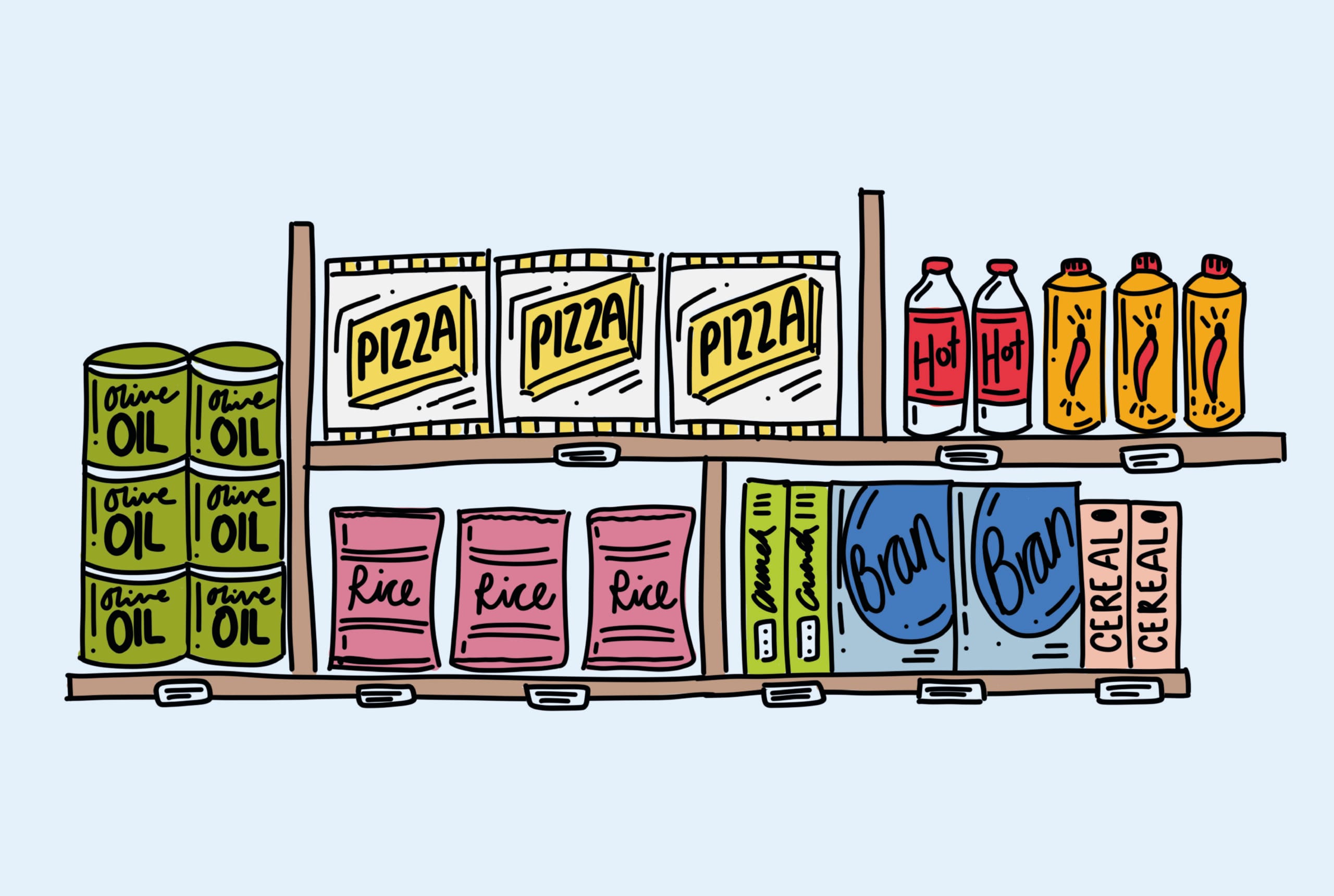
Not so long ago, if you wanted to experience the magic of your favourite restaurant, you had to book a table, take a seat, and let the chef work their artistry behind closed kitchen doors. Today, that experience might be waiting for you just down the road – not at the restaurant, but on the supermarket shelf. From signature sauces to frozen dumplings, restaurant-branded products are no longer niche novelties; they’ve become a booming retail category. In the process, they’re rewriting the play book of how food brands are born, marketed, and consumed.
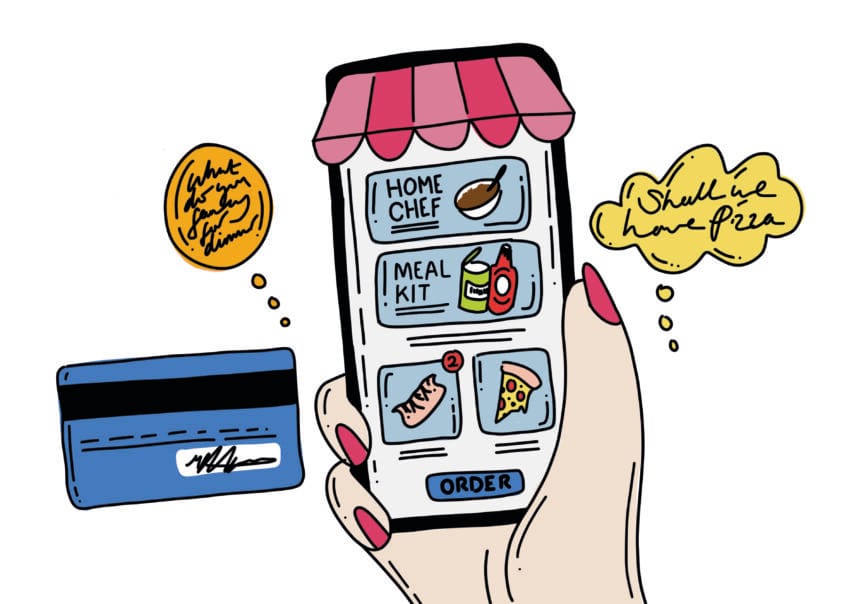
The pandemic push and a permanent shift…While the trend had been quietly building for years, the COVID-19 pandemic accelerated it dramatically. Forced to close dining rooms and find alternative revenue streams, many restaurants pivoted to retail almost overnight.
In London, Dishoom, the beloved Bombay inspired café, began selling its signature “House Black Daal” and bacon naan kits online (₁). Across the country, Wagamama rolled out its now-iconic line of ramen kits and sauces (₂). Even high-end dining spots like Hawksmoor launched bottled cocktails for at home enjoyment (₃).
What started as a survival tactic soon revealed itself to be a sustainable, and highly profitable brand extension.
From experience to product…
Restaurants that successfully transition into retail understand one key truth: they’re not just selling food, they’re selling an experience. When a jar of pasta sauce from Carluccio’s appears on a UK supermarket shelf, it’s not merely a mix of tomatoes and herbs – it’s a slice of Italian trattoria culture, infused with the warmth and authenticity of Antonio Carluccio’s legacy. Buying it isn’t just about convenience; it’s a way of bringing a touch of the restaurant’s charm and heritage into your own kitchen.
This is where design steps into the spotlight. In retail, packaging isn’t just a protective outer – it’s the restaurant’s storefront in miniature, the first and sometimes only chance to make an emotional connection. Colours, typography, photography, and even the feel of the material are all deliberate choices designed to transport the shopper back to the dining room. A textured paper label can suggest artisan craftsmanship; a matte finish might hint at understated sophistication; a bold splash of colour can evoke the energy of a bustling open kitchen. Every element works together to signal the brand’s personality in the blink of an eye.
Take Wagamama’s retail line: its clean, bold typography and striking colour blocks echo the brand’s minimalist, high-energy interiors. Even the spacing and layout on the packaging mirror the way the restaurant plates its food – uncluttered, confident, and modern. The result? Customers spot it instantly from across the aisle and, almost unconsciously, connect it to the flavours, atmosphere, and memories they’ve already enjoyed in-store.
Why the supermarket loves them…
Retailers are equally enthusiastic about this crossover. Restaurant brands often bring built-in customer loyalty, cultural cachet, and a strong point of differentiation in crowded categories. Take PizzaExpress, for example. Long before pandemic necessity, the chain had launched its line of chilled pizzas, salad dressings, and dough balls into supermarkets. The products not only performed well in-store but also acted as year-round advertising with promotions for the restaurant chain itself. For supermarkets, stocking restaurant branded goods is like acquiring a “celebrity endorsement” for their aisles, lending authenticity.
The product development challenge…
Of course, translating a dish from restaurant plate to retail packet isn’t as simple as scaling up the recipe. There are multiple hurdles:
• Consistency: Restaurant chefs can tweak dishes on the fly; retail products need exact replication at industrial scale.
• Shelf Life: Freshly made sauces often rely on refrigeration and quick turnover; retail requires pasteurisation, preservatives, or freezing without compromising flavour.
• Supply Chain: Securing ingredients at volume while keeping quality high is no small feat.
• Price Point: Restaurant dishes can justify higher margins; supermarket shoppers are price-sensitive and quick to compare alternatives.
Itsu, for example, invested heavily in research to ensure its frozen gyoza matched the taste and texture of the restaurant version (₄). The brand’s retail success lies in maintaining quality while off ering accessible price points for everyday shoppers.
Brand equity as the secret sauce…
At the heart of this movement is brand equity – the intangible value a restaurant has built over years of service, customer trust, and cultural relevance. When Nando’s sells its Peri-Peri sauce in UK supermarkets, customers don’t need to be convinced it’s good; they’ve already enjoyed it alongside flame-grilled chicken countless times. That emotional connection can tip a shopper’s decision in seconds.
However, the inverse is also true: if a retail product disappoints, it can tarnish the restaurant’s reputation. Unlike standalone food brands, restaurants risk damaging not just a product line, but their core business. This is why many partner with specialist food manufacturers who can protect both quality and scalability.
Marketing beyond the menu…
Restaurants entering retail have had to expand their marketing strategies beyond food photography and dining reviews. They are now competing for attention in crowded supermarket aisles – and on Instagram and TikTok feeds filled with home cooking inspiration.
This has led to inventive campaigns:
• Nando’s built an entire social media persona around its Peri-Peri sauce, creating memes and challenges that keep the product top-of-mind.
• Pret A Manger leveraged nostalgia during lockdowns with its coffee subscription and supermarket coffee beans, positioning itself as part of the customer’s daily ritual, even at home.
• Hawksmoor launched its bottled cocktail range with a mix of recipe videos and behind-the-scenes content.
What it means for the future of casual dining…
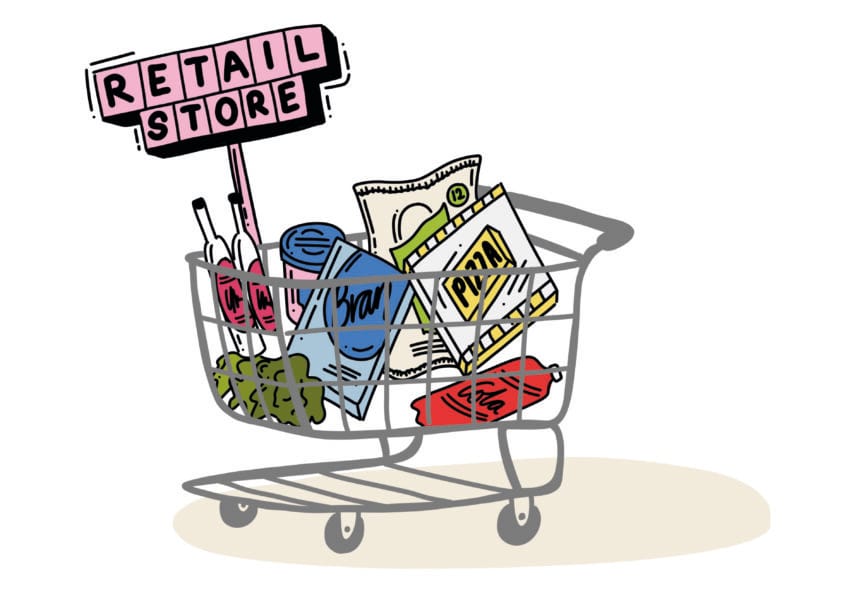
The rise of restaurant-to-retail products blurs the line between eating out and eating in. For consumers, it’s a win: they get access to their favourite flavours without leaving home. For restaurants, it’s a powerful revenue stream that diversifies income beyond the volatility of in-person dining. It also opens the door to brand communities. Imagine a customer discovering a restaurant through a bottle of dressing, then visiting in person, then engaging on social media, then ordering a meal kit – each touchpoint reinforcing the brand’s value.
Not just for the big names…
While big chains dominate supermarket shelves, this shift is also benefiting smaller independents. Regional bakeries are selling their sourdough starters in local grocers. Boutique Mexican restaurants are bottling their salsas for farmers’ markets and farm shops. Even neighbourhood cafés are packaging their granola blends for loyal customers. Digital retail platforms like Dishpatch (₅) have further broadened access, allowing smaller restaurants to ship products nationwide without the backing of a supermarket giant.
The balancing act…
The challenge for restaurants now is finding the right balance between accessibility and exclusivity. Part of a restaurant’s allure comes from the idea that it offers something you can’t get anywhere else. As retail distribution widens, brands must work harder to keep the magic alive – through storytelling, limited edition drops, and continual innovation. When done right, the results are powerful. A shopper might throw a jar of Wagamama Firecracker Sauce into their basket, but what they’re really buying is the promise of a Friday night with friends, a table by the open kitchen, and that feeling of satisfaction you only get from the real thing.
References: 1) Metro, ‘Dishoom now do meal kits…’ by Lizzie Thomson. 2) The Standard ‘Wagamamas launches home-cooking supermarket range’, by Henry Saker-Clark. 3) The Scotsman, ‘Hawksmoor at Home launches delivery cocktails across Scotland’ by Caitlyn Dewar, by Caitlyn Dewar. 4) The Grocer, ‘How can restaurant brands succeed on supermarket shelves?’ by Lois Vallely. 5) UK Tech News, ‘Dishpatch secures £10 million Seed investment…’. by Safi ya Marzook.
Bio: Jo Morris – Account Director at Eat With Your Eyes

Jo is a highly experienced account director with a passion for music. She loves building relationships with clients and takes great pride in her work.